
Interactive or traditional wedding invitations: what Indian families actually need
By Saath Studio’s founders, who planned their own wedding in 2025. Updated 13 November 2026.
Our parents’ generation sent a printed card with a box of mithai. Our friends send a PDF on WhatsApp. And now there are invites that open like haveli doors when a guest taps them. Here’s what each one is good for, and why the answer for most families is a mix.
The printed card: still the one elders keep
A card in the hand says this is a family wedding. Many families still send the first one to Ganesh ji, take the next ones to the elders by hand, and some relatives will keep yours in a drawer for years.
Its limits are the ones every couple discovers: weeks of drafts and printing, a cost for every card, and no way to change a time once it’s printed. It can’t tell you who’s coming, and it can’t reach the cousin in Toronto in time.
The PDF or image on WhatsApp: quick, and quickly lost
A scan of the card, or a designed image, reaches everyone in a minute and costs almost nothing. That’s why most weddings already use one.
But it’s flat. It scrolls away in a busy group, it’s the same for every guest, and when the sangeet moves you’re sending a second image and hoping nobody saves the first.
The interactive invite: opens like the real thing
An interactive invite is a link that does something when it’s opened. Carved doors swing apart, a wax seal breaks, curtains part, or guests walk into a palace scene by scene. Then come your names, the invitation, every function with its time and what to wear, the venue map and a way to reply.
It feels closest to receiving a real card, and it fixes what the card can’t. Each family can get its own link that greets them by name and shows only their functions. Times change on every link at once. And replies come in for every function, so you know how many plates to order.
Open one like a guest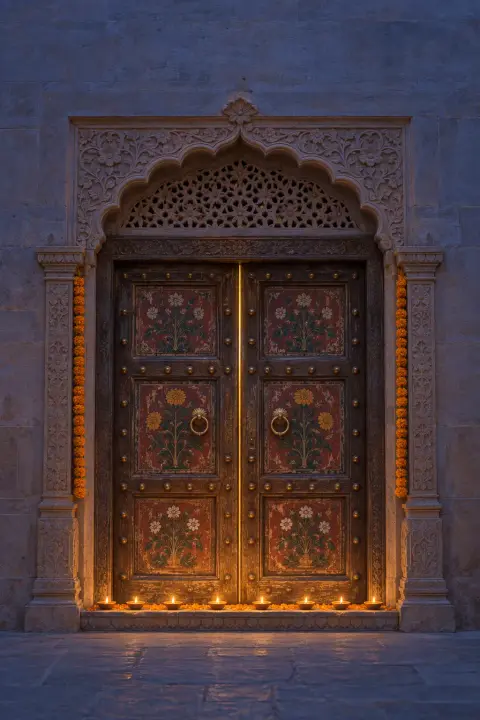


Where an interactive invite falls short
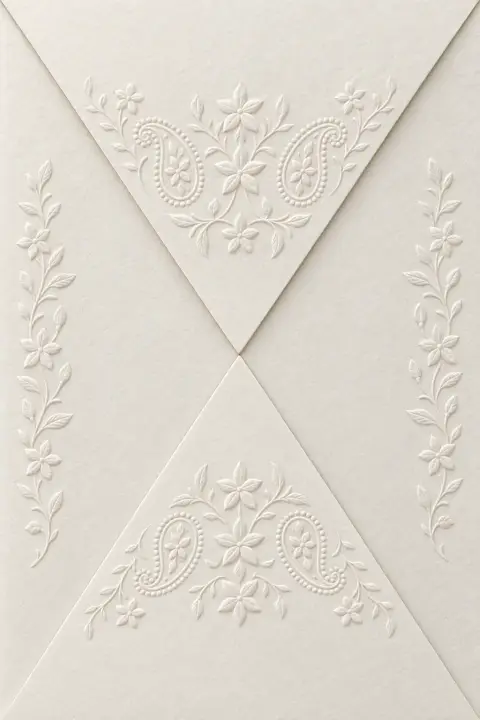
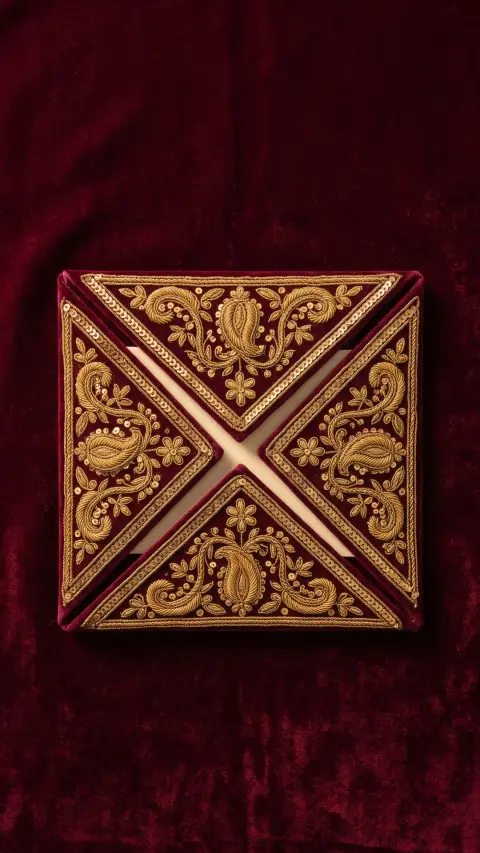
It needs a tap, and a few elders will never open a link. It needs a phone with a working connection when it’s opened. And a flashy one can feel like too much for a quiet family wedding, which is why calmer designs like Ivory and Zardozi exist.
The mix most families end up with
Send the interactive invite to everyone, one link for each family. Send a video of it to the big family groups, where it plays without a tap. And print a handful of cards for the elders and the homes you’ll visit with mithai.
Put a QR code on the printed card that opens the invite, so Dadi’s card still leads to the right time if anything changes. Saath’s printed invitation carries one, in the same design as your invite.
See the video versionQuestions couples ask
Are digital wedding invitations acceptable in India?
Yes, for most guests. Most families now invite on WhatsApp and keep printed cards for the elders and the homes they visit in person.
What is an interactive wedding invitation?
A link that opens like a real card, doors, an envelope or a walk into a palace, then shows your names, the functions, the venue map and a way to reply.
Do we still need printed wedding cards?
A few. Print for the elders and the homes you’ll visit by hand, and send everyone else the digital invite.
Can a digital invite look traditional?
Yes. A Hindi card with Shri Ganeshaya Namah, your parents doing the inviting, a deity above your names and a bal manuhar from the children all work in a digital invite.
See these ideas with your names
Type your names and every design redraws in them. Trying them costs nothing and needs no sign-up.
See every invite